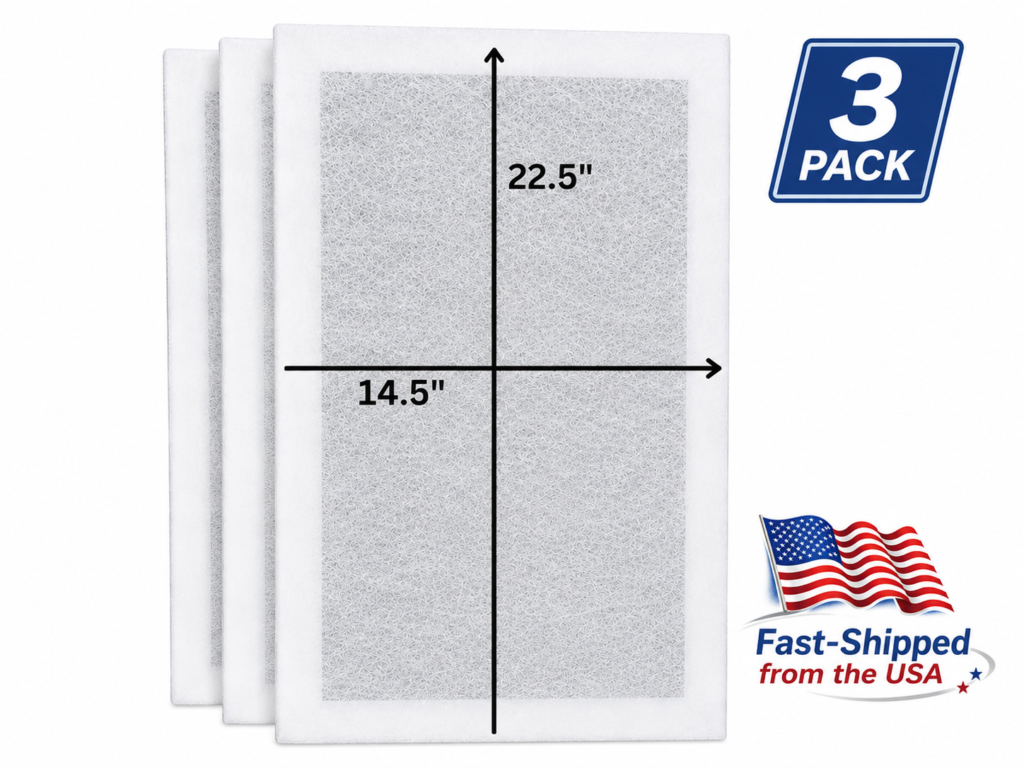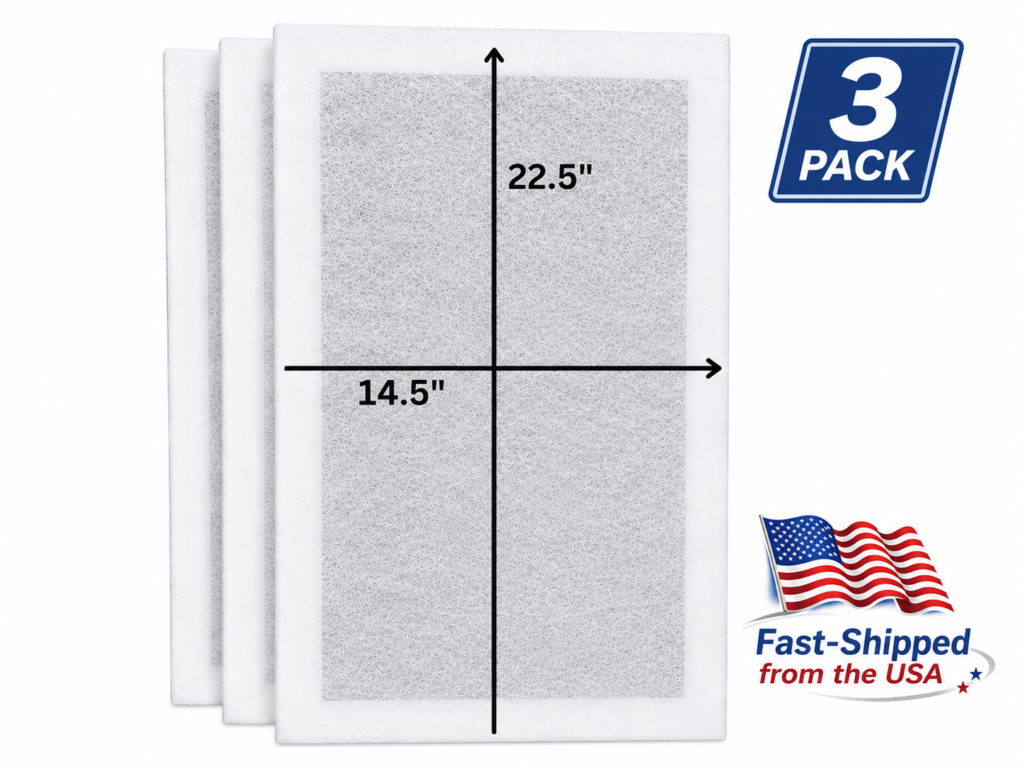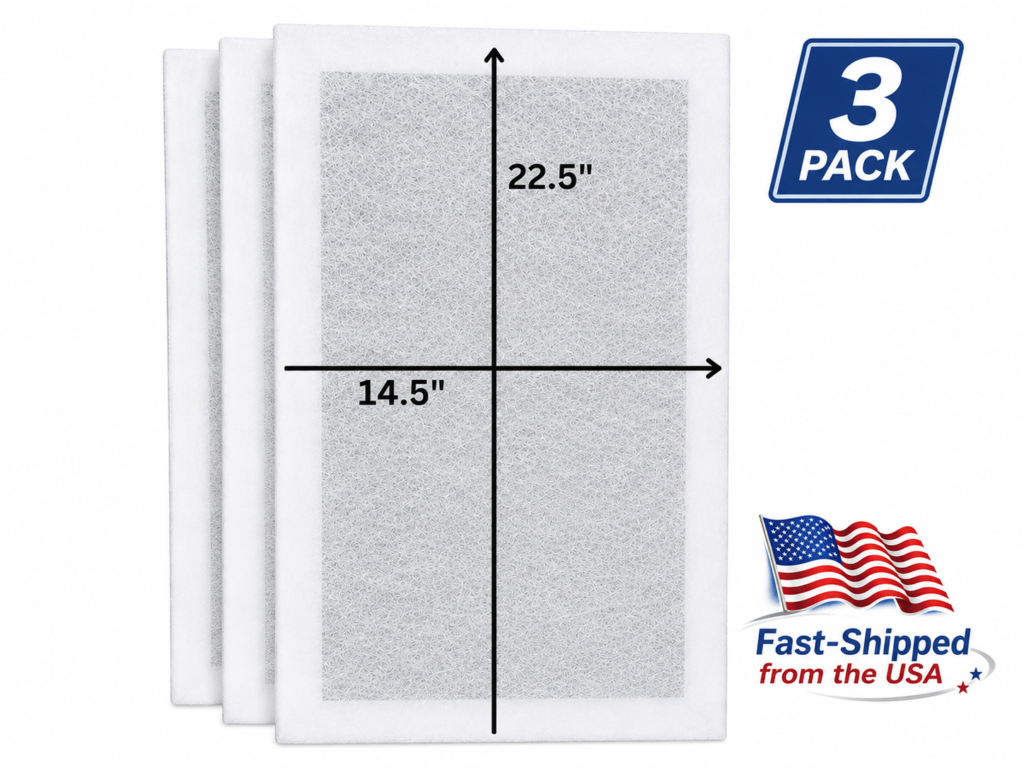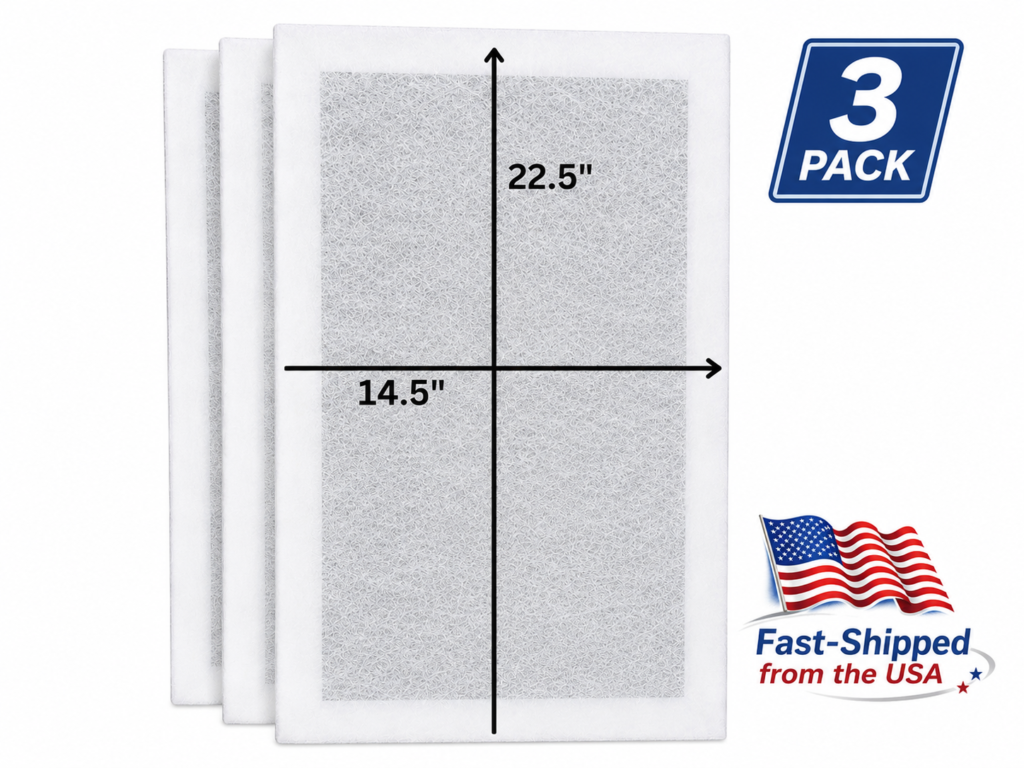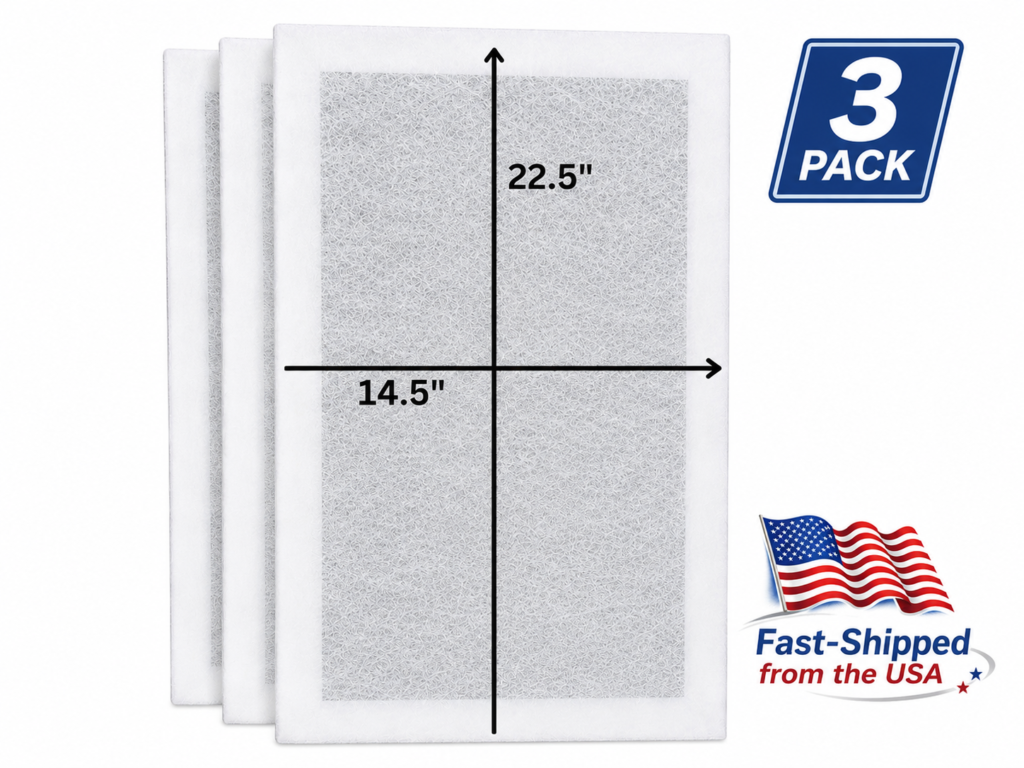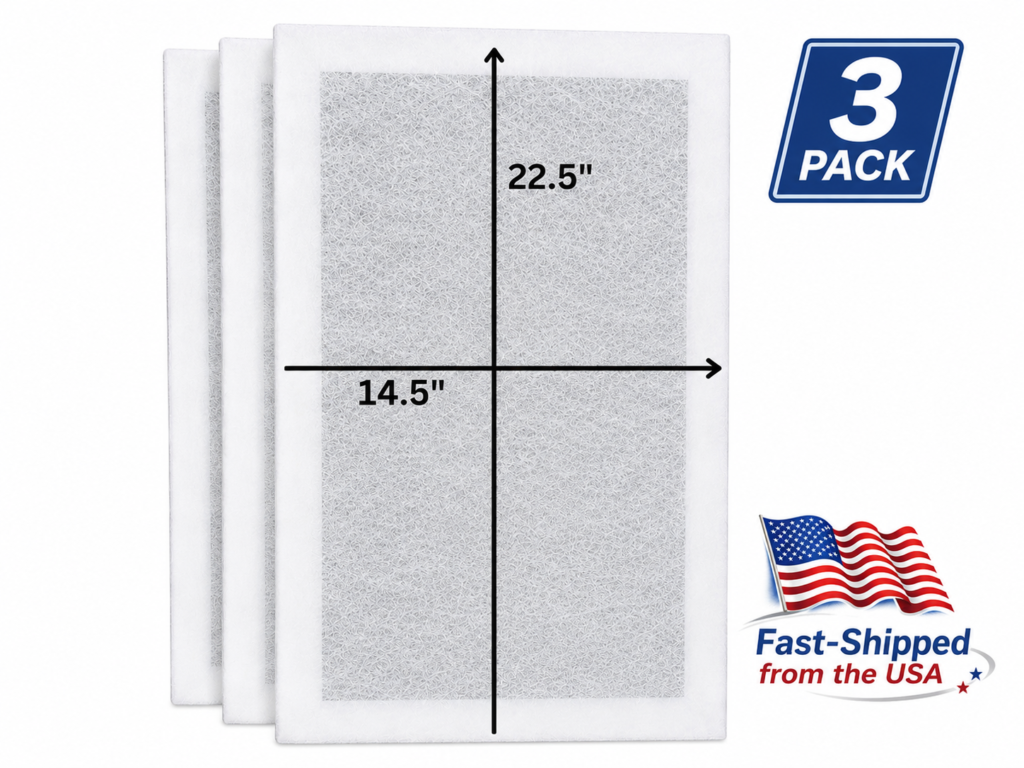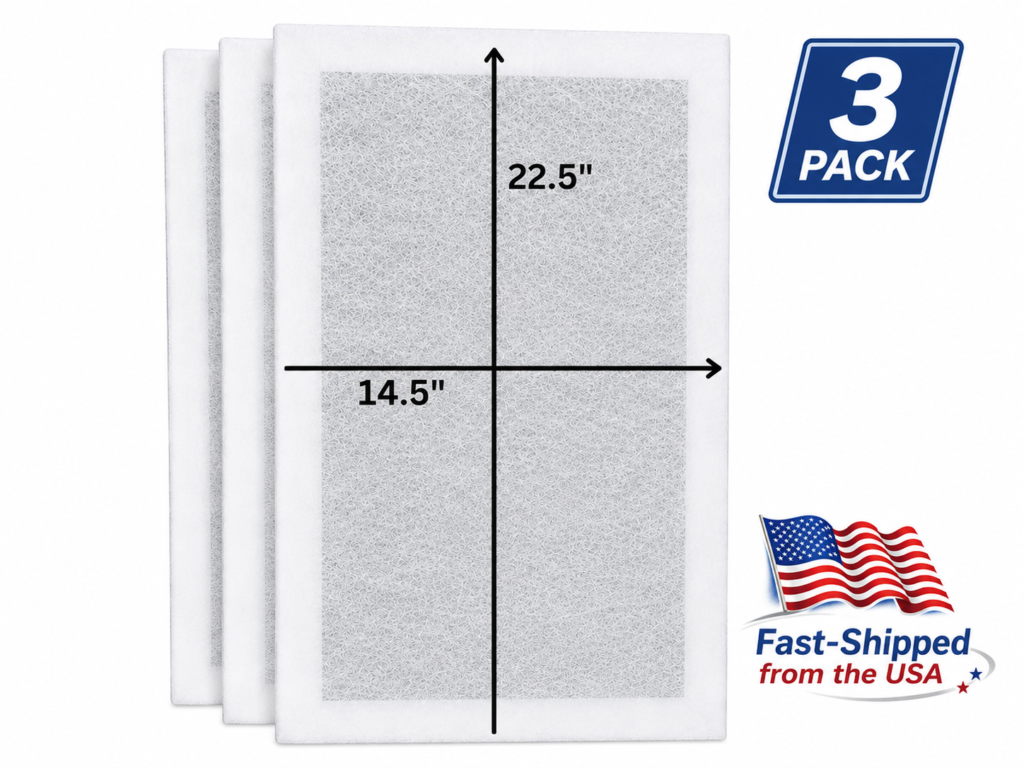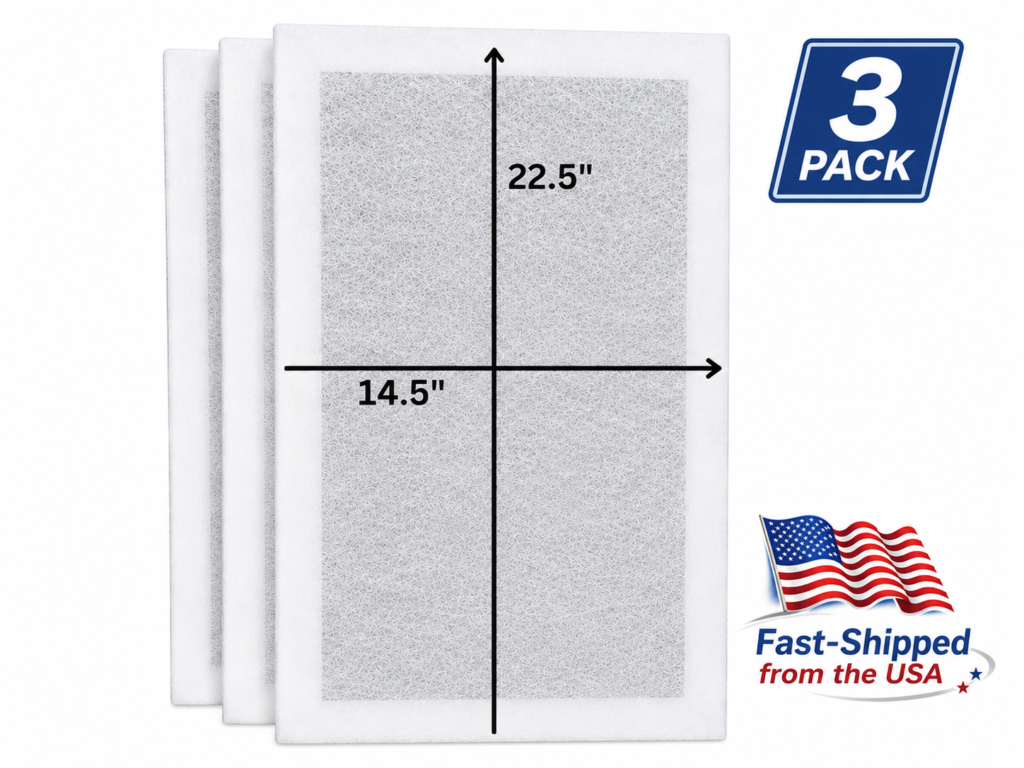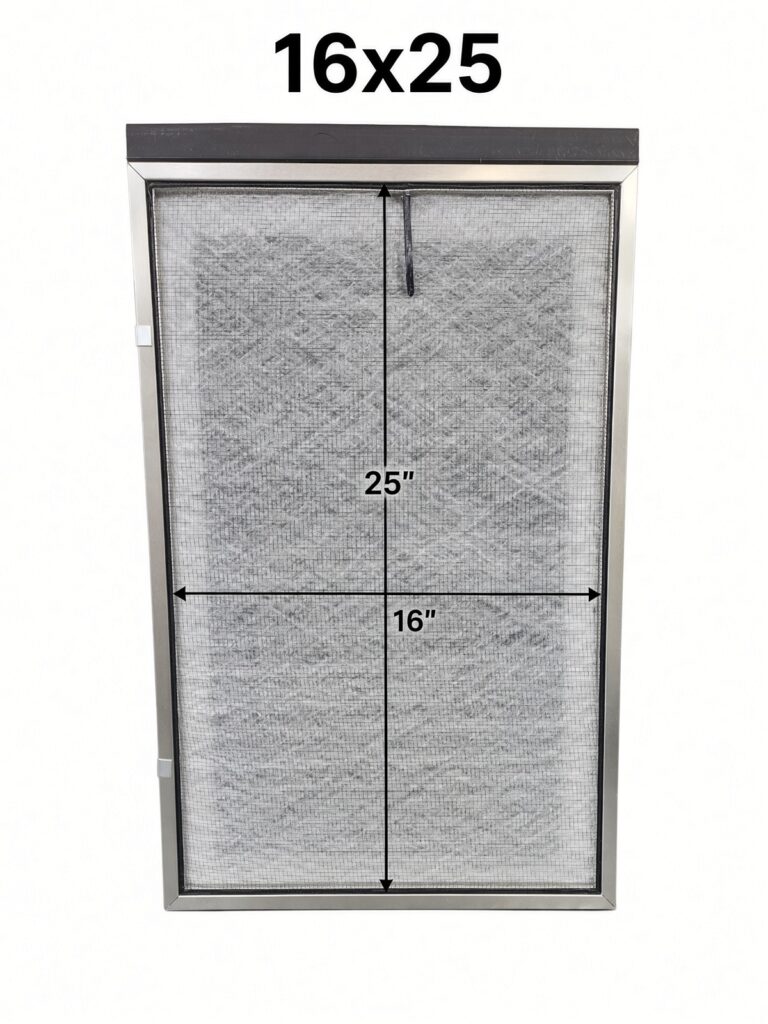
A filter that is only slightly too small can leave gaps around the frame, allowing unfiltered air to bypass it. One that is too large may buckle, refuse to seat in the cabinet, or put unnecessary strain on the filter rack. That is why filter sizing is more than matching a few numbers on a package. A correct fit protects your HVAC equipment, supports cleaner indoor air, and makes routine replacement much less frustrating.
For standard furnace filters, electronic air cleaner media pads, and specialty replacements, the safest approach is to identify the exact size and system type before ordering. Measurements matter, but so do the filter’s actual dimensions, frame style, airflow direction, and brand or model compatibility.
Why Correct Filter Sizing Matters
Your heating and cooling system is designed to move a specific volume of air through its return duct and filter cabinet. The filter needs to fill that opening properly without restricting airflow beyond what the equipment can handle. When a filter fits well, air passes through the filter media instead of slipping around it, and the frame stays stable through heating and cooling cycles.
An undersized filter is a common problem, especially when buyers order based on a rough measurement of the opening. Even a small gap can allow dust, pet hair, and other particles to travel around the media. That buildup can settle on blower components, coils, and ductwork instead of being captured where it should be.
An oversized filter creates a different set of problems. Forcing it into place can bend the frame, crush pleats, tear media, or damage the rails inside the cabinet. A distorted filter may also restrict airflow. Reduced airflow can contribute to uneven comfort, longer system run times, and avoidable wear on HVAC equipment.
Electronic air cleaners require the same attention to fit. Replacement media pads must align with the collection cells, screens, or support structure they are designed for. A pad that looks close in size is not necessarily a compatible replacement.
Nominal Size vs. Actual Filter Size
The most frequent source of ordering mistakes is the difference between nominal and actual dimensions. Nominal size is the rounded size used for labeling and shopping. Actual size is the filter’s physical length, width, and depth.
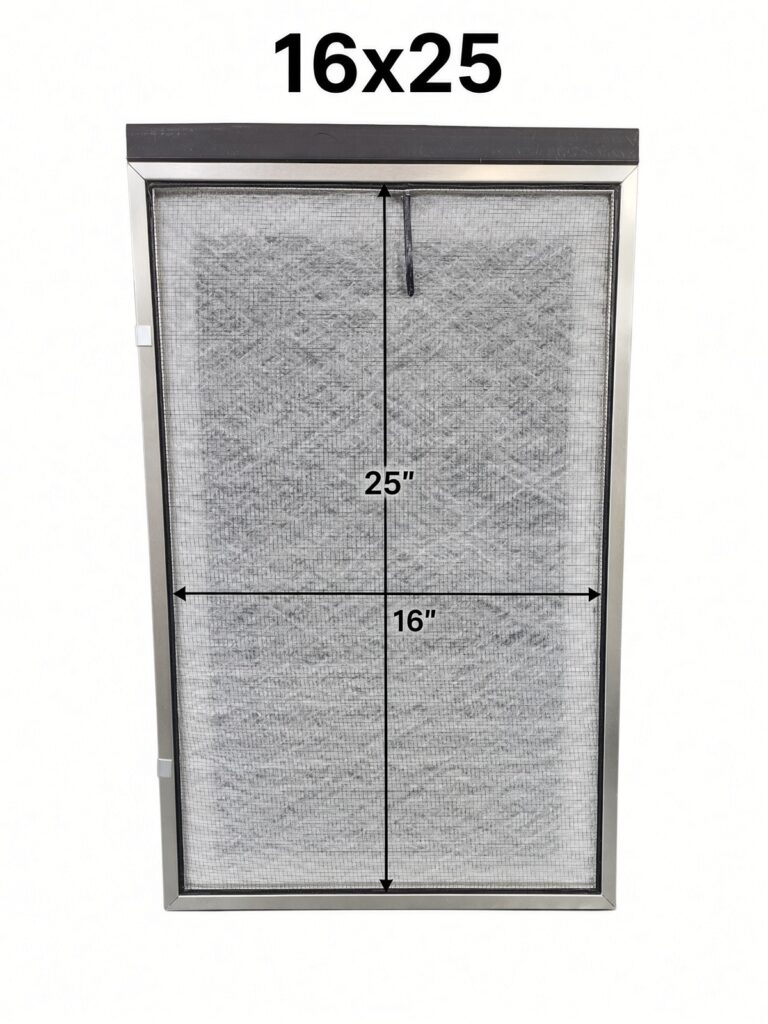
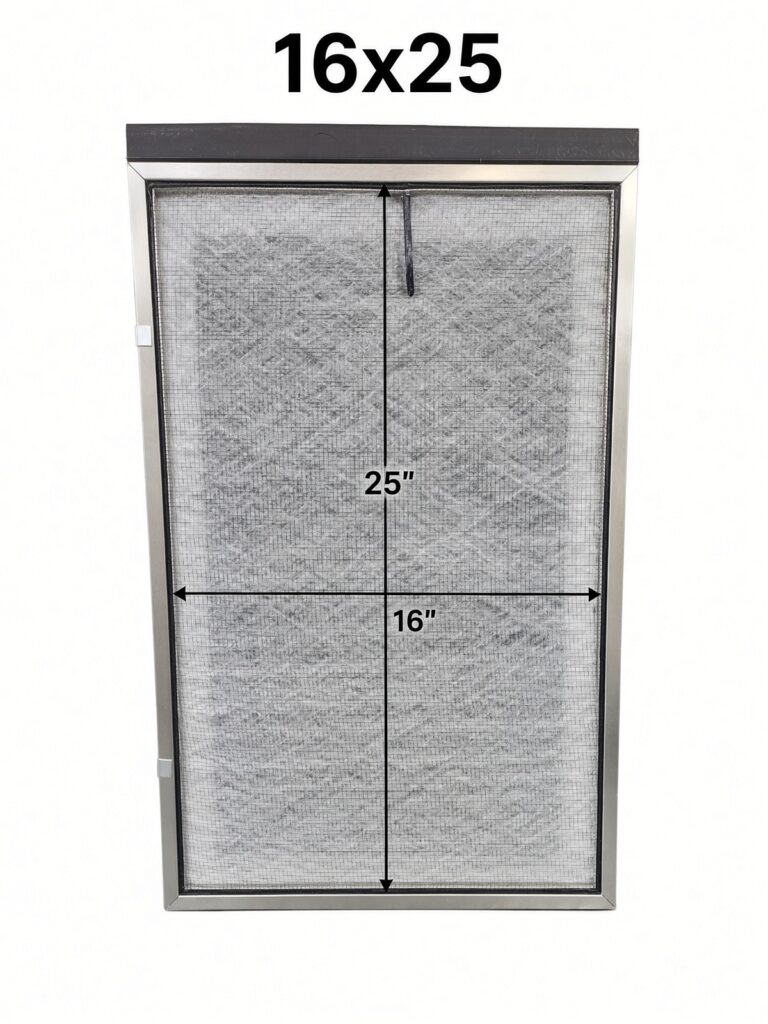
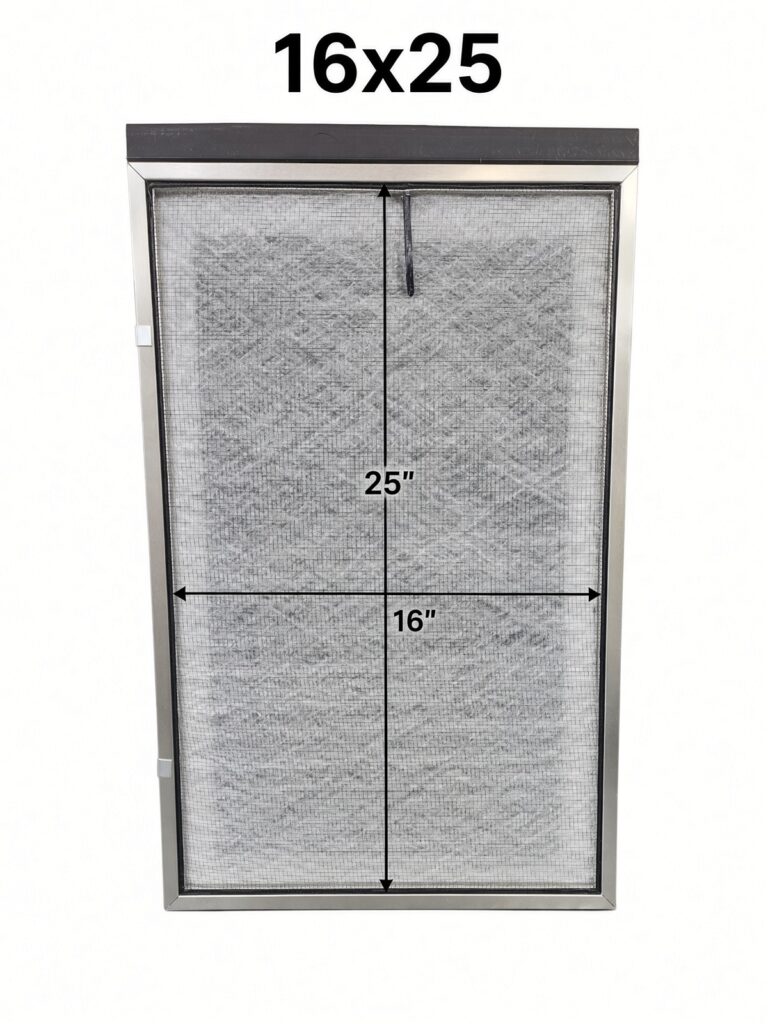
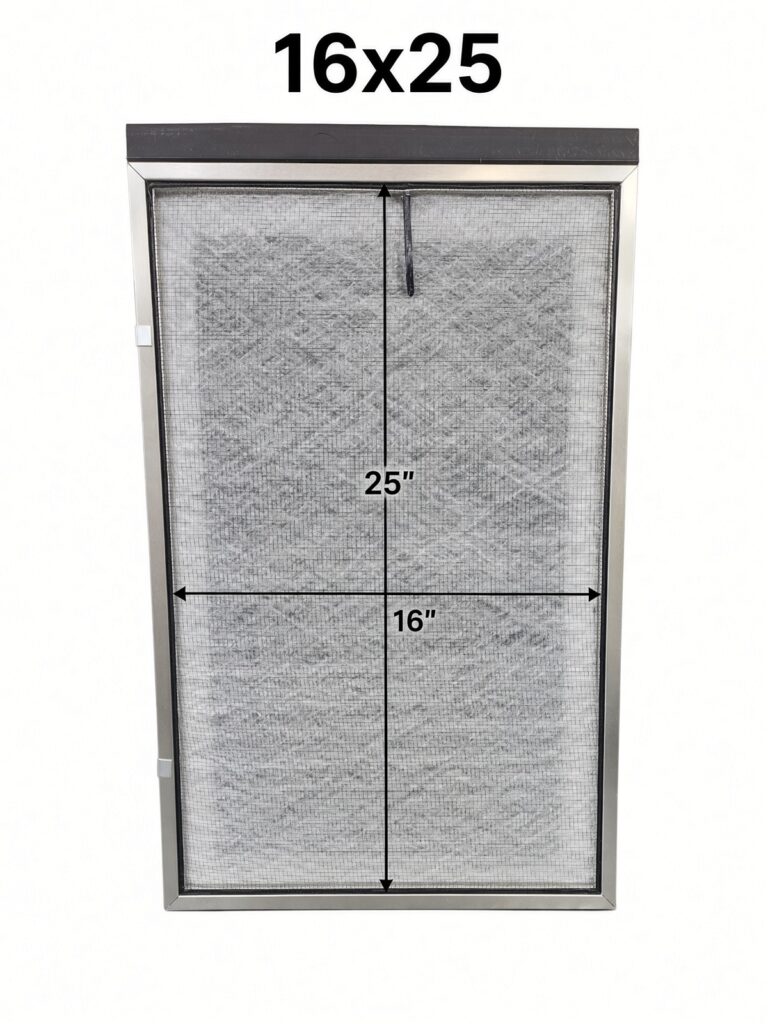
For example, a filter sold as 16 x 25 x 1 may physically measure closer to 15 1/2 x 24 1/2 x 3/4 inches. That smaller measurement is normal. Manufacturers use nominal sizing so common filter sizes are easier to identify, while the actual dimensions allow the filter to slide into the intended rack.
Do not assume every filter with the same nominal size has identical actual measurements. Small variations can occur between frame styles and manufacturers. This is especially relevant for tight filter cabinets, reusable electronic air cleaner frames, and specialty media pads. If your existing filter fits correctly, reading its printed size, part number, and model information is usually more reliable than estimating from memory.
Depth also deserves attention. A 1-inch filter, a 2-inch filter, and a 4-inch filter are not interchangeable simply because their length and width match. The cabinet or filter slot determines the depth you need. Never replace a 4-inch filter with a 1-inch filter unless the system is specifically built to accept it.
How to Measure for Filter Sizing
If the old filter has no readable label, measure it carefully. Remove the filter from the system and use a tape measure to check the actual length, width, and depth. Record the dimensions in inches in this order: length x width x depth.
Measure the filter itself, not only the return grille or the outside edge of the cabinet. A wall or ceiling grille opening can be larger than the filter it holds. In a furnace or air handler, the cabinet’s visible opening can also differ from the usable space between the internal rails.
Measure each dimension more than once. For a pleated filter, include the full frame edge but do not pull or compress the filter while measuring. For an electronic air cleaner pad, measure the media as installed and note whether it has a cardboard frame, wire support, tabs, or a specific cutout pattern.
If your current filter is bent, damaged, or clearly loose, measure the filter slot as well. Check the width between the rails, the height of the opening, and the available depth. A filter should install with light resistance, not need to be forced into position.
Check the Label Before Measuring
A printed label can save time and prevent a close-but-wrong order. Look for a nominal size, actual size, manufacturer part number, and system brand. On electronic air cleaners, the cabinet door, power head, or existing pad packaging may identify the model family.
For specialty systems, the part number is often the best identifier. Many electronic air cleaner media pads are made for particular units from brands such as Dynamic, MicroPower Guard, Pristine Air, SolaceAir, Captura, Goodman, Maytag, and Totaline. Two pads may share similar dimensions but differ in construction, polarity requirements, or intended cabinet design.
Match the Filter to the System, Not Just the Opening
Physical dimensions are only one part of selecting a replacement. You also need the right type of filter for the equipment you own.
A standard disposable HVAC filter is generally installed in a return grille, furnace, or air handler. It should match the slot size and be installed with the airflow arrow pointing toward the equipment. The arrow should typically point toward the blower, not toward the room. If you are unsure, follow the direction of airflow from the return grille into the system.
Electronic air cleaner replacement media is more specialized. Some systems use polarized media that works with an electronic charging or collection process. Others use non-polarized media. Choosing the wrong type can affect performance or prevent the filter from operating as intended. Match the replacement to the existing system and manufacturer specifications rather than selecting based on size alone.
Also inspect the supporting components. A filter that will not stay in place may indicate a missing retainer, damaged door, worn gasket, bent rail, or incorrect filter frame. Replacing the media alone will not correct a mechanical fit problem inside the cabinet.
Common Filter Sizing Mistakes to Avoid
Ordering the opening size instead of the existing filter size is one of the most common errors. Another is treating nominal and actual dimensions as interchangeable. Both can lead to a replacement that is loose or impossible to install.
Avoid trimming a filter to make it fit. Cutting down a pleated filter can weaken the frame and create gaps. Trimming electronic air cleaner media can interfere with its intended support and filtration performance. If the replacement does not fit, stop and verify the size, part number, and cabinet model before using it.
Do not stack thinner filters to fill a deeper slot unless your HVAC professional has confirmed that arrangement for your equipment. Stacked filters can shift, increase resistance, and make routine service harder. The correct depth is the one the cabinet was designed to hold.
Finally, do not overlook airflow direction. A correctly sized filter installed backward may still fit, but it can reduce performance and make removal more difficult. Check the arrow every time, particularly when replacing filters in a dim utility room or cramped attic installation.
When a Custom or Specialty Size Is Needed
Some homes have uncommon return grille filters, older air cleaner cabinets, or specialty electronic filtration systems that do not use standard store sizes. In those cases, a part number and a few clear measurements are far more useful than guessing from a photo or an approximate description.
Start with the system brand and model, then compare the existing filter’s dimensions and construction. Note whether the media is polarized or non-polarized, whether it fits a reusable frame, and whether it has tabs, screens, or a distinct shape. This information helps confirm a replacement that fits the equipment as designed.
For homeowners who replace the same filter regularly, write the correct size and part number on the furnace cabinet or keep it with your maintenance records. Contractors and property managers can save time by keeping a simple list of filter sizes by property and unit. Fast Shipped Filters carries replacements for a wide range of standard and specialized air cleaner systems, making it easier to keep the correct filter on hand.
A properly sized filter should slide into place, sit securely in its track, and leave no obvious gaps around the frame. Once you have confirmed that fit, ordering replacements before the current filter is overdue is one of the simplest ways to keep cleaner air moving through your home and help your HVAC system do its job.